
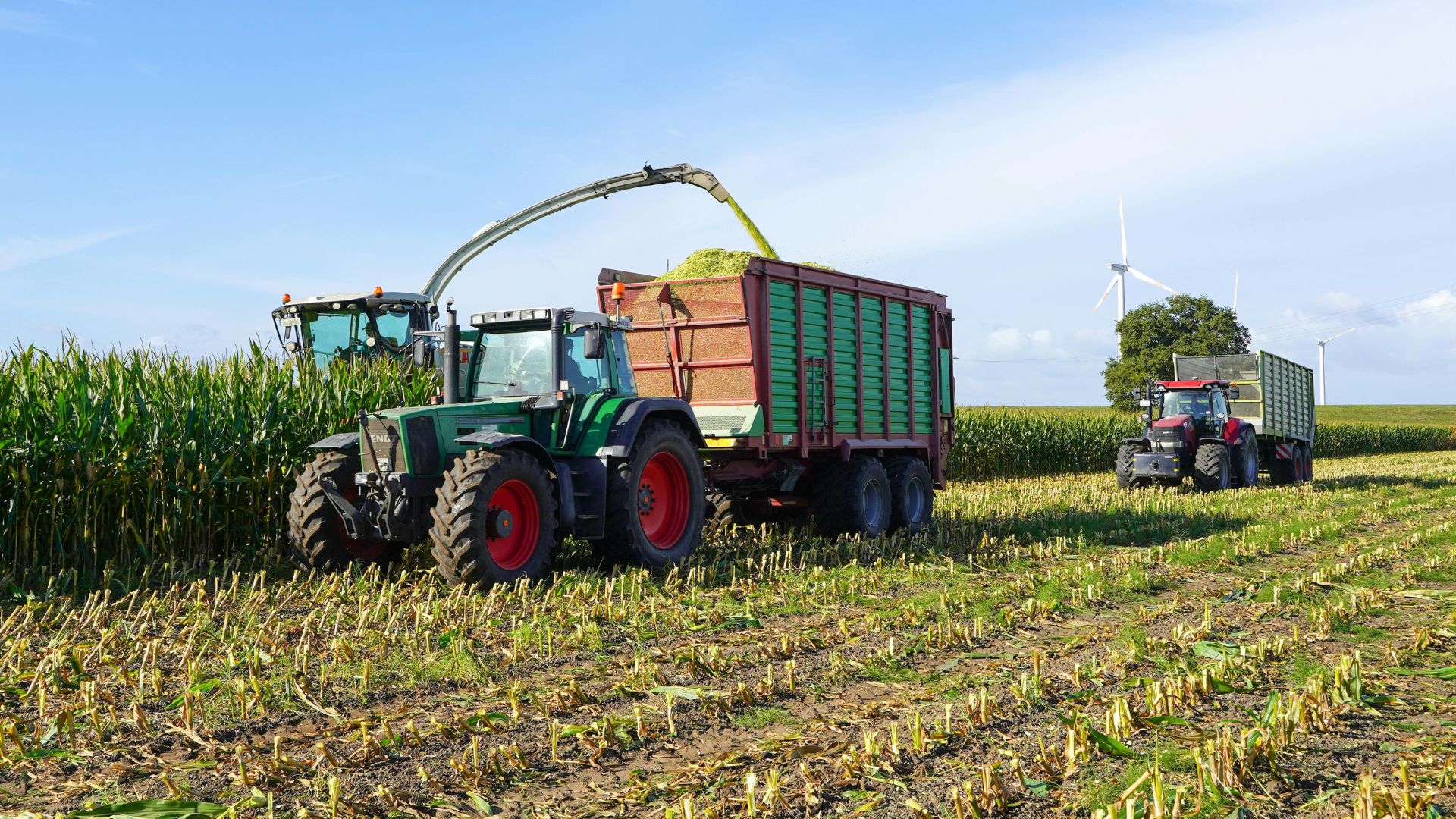
European corn producers are facing one of the most challenging seasons in decades in 2026. Prolonged heat and insufficient rainfall affected crops during the critical flowering and grain-filling stages. The situation has been particularly difficult in France, one of the EU’s major corn producers, where analysts expect this year’s harvest to be the lowest since 1977.
The problem extends across a large part of Europe. According to the European Commission’s Joint Research Centre (JRC), high temperatures and severe water deficits have significantly affected summer crops in France, Germany, Italy, Austria, Czechia, Slovakia, Hungary and western Romania. In the most severely affected regions, poor grain filling, premature crop senescence and even local crop failures have been reported.
As a result, the outlook for the entire European corn market has deteriorated. In late August, the European Commission estimated the EU corn harvest at around 50.1 million tonnes, almost 20% below the average of the previous three years and the lowest level in nearly two decades. Other analysts are even more cautious: Expana cut its forecast to 49.1 million tonnes, down 13.9% from the previous season.
Lower domestic production could increase the European Union’s dependence on imported corn. Expana analysts estimate that EU corn imports could rise by 8–9% in the 2026/27 season. For Ukraine, this could potentially create additional export opportunities, although the ability to benefit from stronger European demand will depend on Ukraine’s own harvest, competitive pricing and stable export logistics. At the same time, recurring droughts are already encouraging European farmers to reduce corn acreage and shift toward crops that are more resilient to water shortages.