
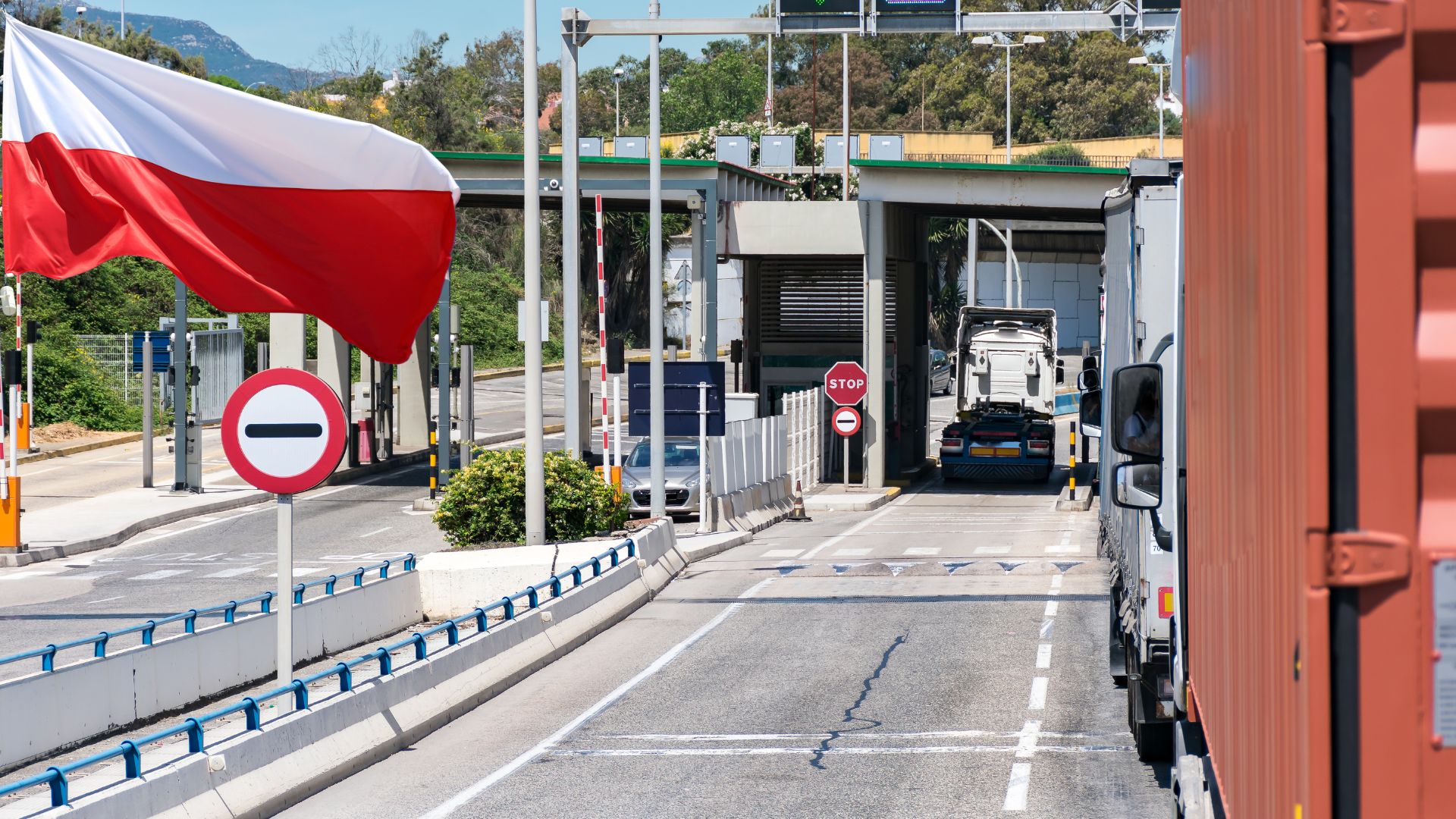
Ukrainian grain transit through Poland has encountered a new logistics restriction. Polish customs authorities have prohibited the use of transit customs warehouses for transshipping Ukrainian grain along the LHS railway route connecting the Izov–Hrubieszów border crossing with Sławków. Grain must now be transferred directly from one railcar to another. Ukrainian Railways reported the change on September 24.
Previously, customs warehouses and silos served as an important logistics buffer. Ukrainian cargo arrives in broad-gauge railcars, while part of the grain must be transferred to European-standard rolling stock for further transportation. Temporary storage allowed operators to coordinate the arrival of Ukrainian railcars with the availability of railcars, locomotives and transshipment capacity in Poland.
The new requirements have already affected operations on the Izov route. According to Ukrainian Railways, transshipment performance on this corridor has deteriorated in recent weeks. At the same time, an average of around 58 grain railcars per day, or approximately 3,700 tonnes, are currently being transferred to Poland through Ukraine's western border crossings. The inability to use temporary storage facilities may increase railcar downtime and put additional pressure on border infrastructure.
The Ukrainian Grain Association has asked the Ministry of Agrarian Policy to investigate the situation. Market participants reportedly became aware of the restriction on September 8, but have not received an official written decision from Polish customs authorities. The UGA warns that if the restrictions remain in place, they could increase queues and rail logistics costs while reducing route capacity. Importantly, this is not a ban on the transit of Ukrainian grain through Poland, but a restriction on the way grain can be temporarily stored and transshipped.