
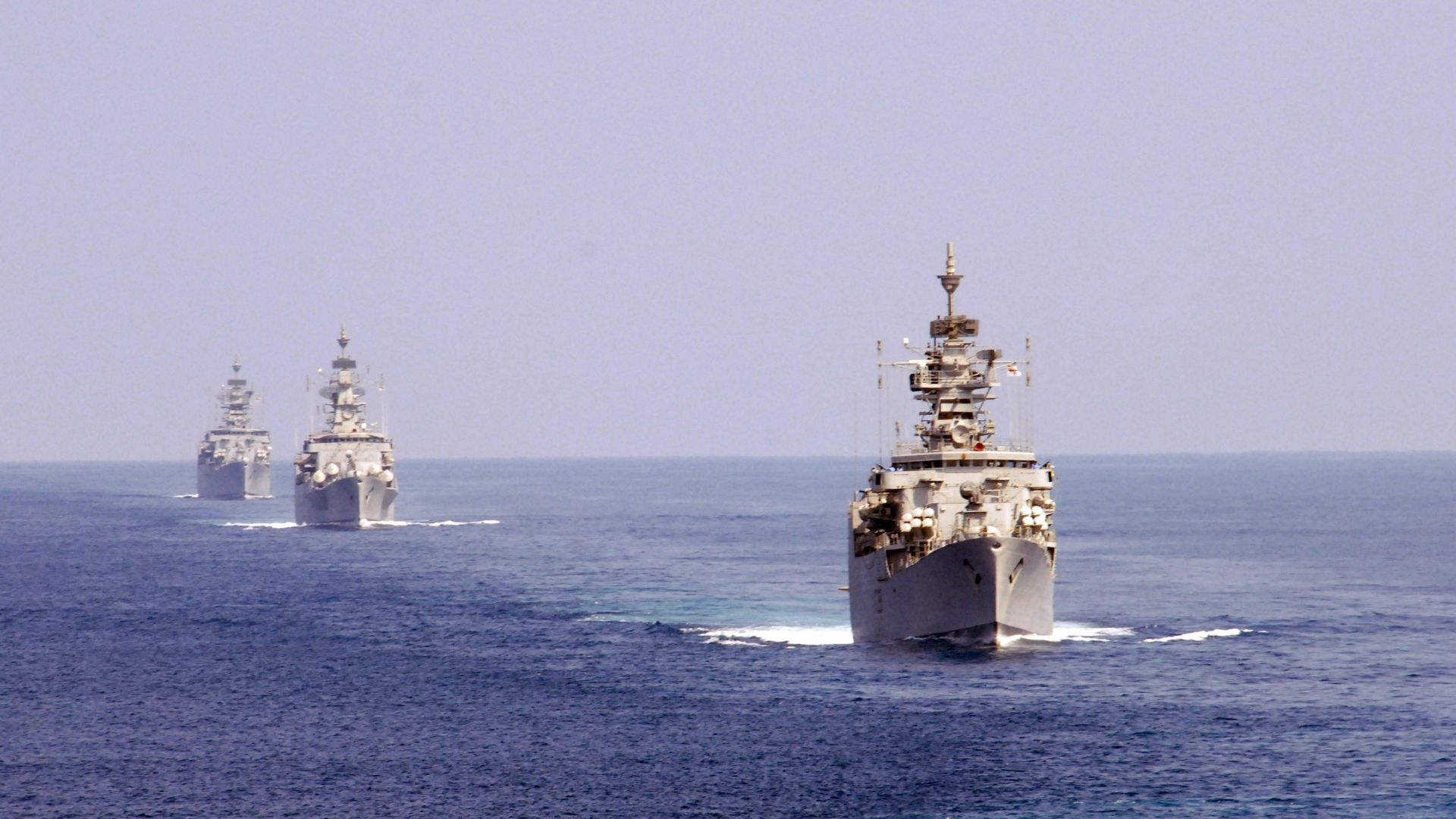
The 2026 logistics crisis has become one of the most serious challenges for Ukraine's agricultural sector since the establishment of the maritime export corridor. Intensified Russian attacks on the ports of Greater Odesa and civilian vessels have led to the temporary suspension of ship calls, sharply higher insurance premiums, rising freight rates, and growing uncertainty for exporters. As a result, maritime logistics—the country's primary export route for agricultural products—is operating under severe constraints.
The impact has been felt across grain and oilseed markets. Although global wheat and other agricultural commodity prices have risen, domestic purchase prices in Ukraine have remained under pressure because of export disruptions. Many traders have reduced procurement activity, while some processors and exporters have scaled back or temporarily suspended operations due to mounting logistics risks.
Alternative export routes through Danube ports, railways, and western border crossings have helped offset part of the disruption but cannot fully replace maritime exports. The situation has been further complicated by record-low water levels on the Danube, limited barge availability, and higher freight rates. Meanwhile, overland transport through the European Union remains more expensive and capacity-constrained, reducing the competitiveness of Ukrainian agricultural products.
Analysts believe the priority for the coming months will be maintaining uninterrupted exports of the new harvest. Achieving this will require the continued operation of the maritime corridor, support for alternative logistics routes, accessible financing for agricultural producers, and measures to reduce domestic logistics costs. The effectiveness of these efforts will play a decisive role in determining the competitiveness of Ukraine's agricultural sector and its export revenues during the 2026/27 marketing season.