
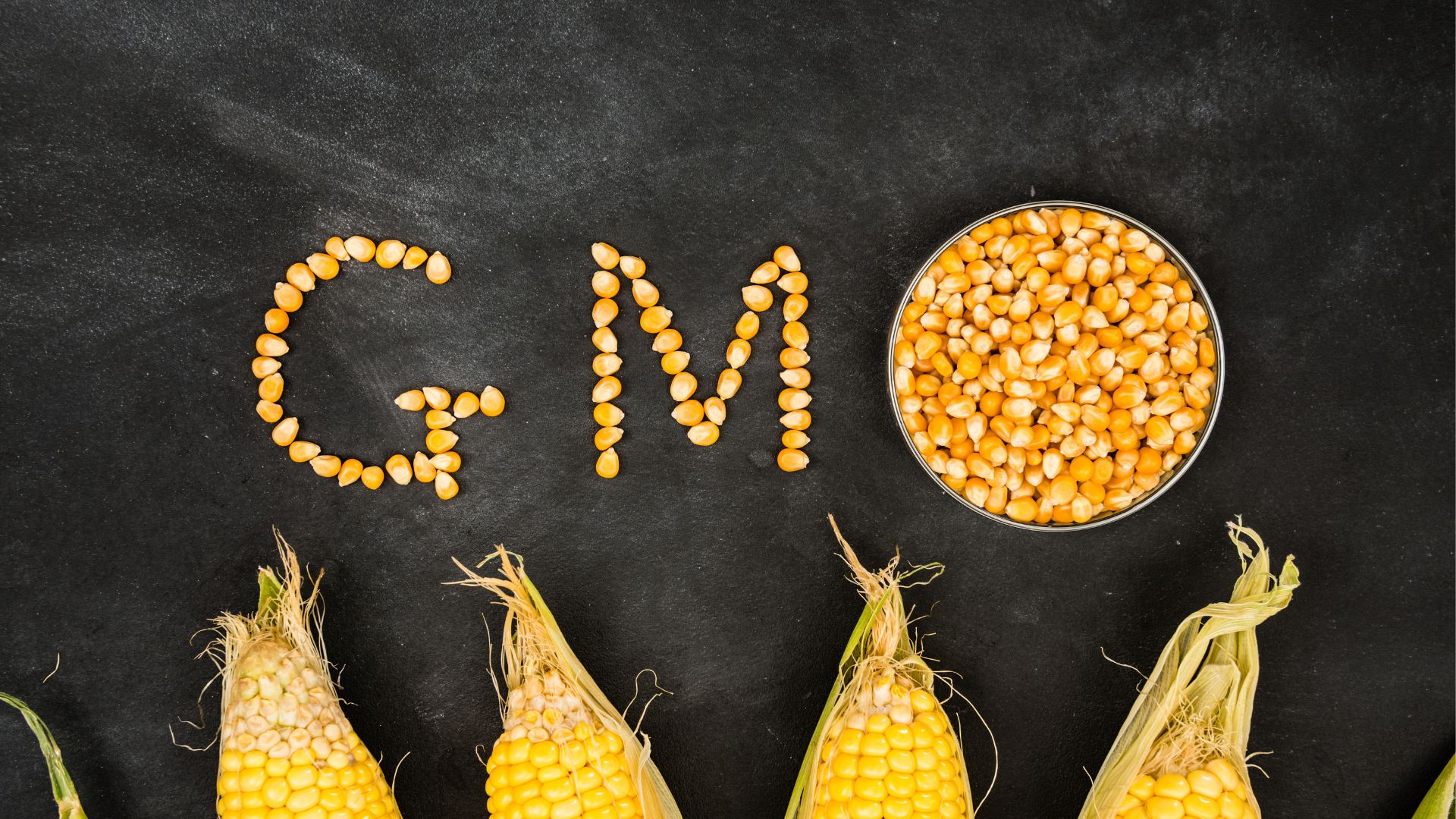
On September 16, 2026, Ukraine’s Law No. 3339-IX enters into force, introducing a new regulatory framework for genetically modified organisms. The new system establishes state registration of GMOs, market controls, traceability and updated labelling requirements. The legislation is designed to bring Ukraine’s GMO regulatory framework closer to European Union standards.
Specific restrictions will apply to individual crops. The cultivation of GM corn will be prohibited indefinitely. Genetically modified rapeseed and sugar beet will be subject to a five-year cultivation ban lasting until September 16, 2031. According to market estimates cited by Latifundist, GM rapeseed accounts for around 3–5% of Ukraine’s planted area, meaning the restriction is not expected to have a significant impact on overall production.
The situation is different for soybeans. The law does not impose a direct ban on GM soy cultivation, but such varieties may only be grown after the relevant GMO has completed state registration. As no GM varieties are currently registered for commercial cultivation, their legal production is effectively not possible for the time being. According to an industry estimate cited by Latifundist, commercial registration of GM varieties may not become feasible before 2030.
The soybean sector could therefore experience the most noticeable adjustment. Market estimates cited by Latifundist suggest that GM soybeans may account for up to 50% of Ukraine’s soybean area. At the same time, experts do not expect a shortage of non-GM soybean seed, as certified planting material is considered sufficient to cover the country’s needs. The main change for the market is therefore expected to be a transition from a largely “grey” segment toward formal registration, traceability and state control of GMOs.