
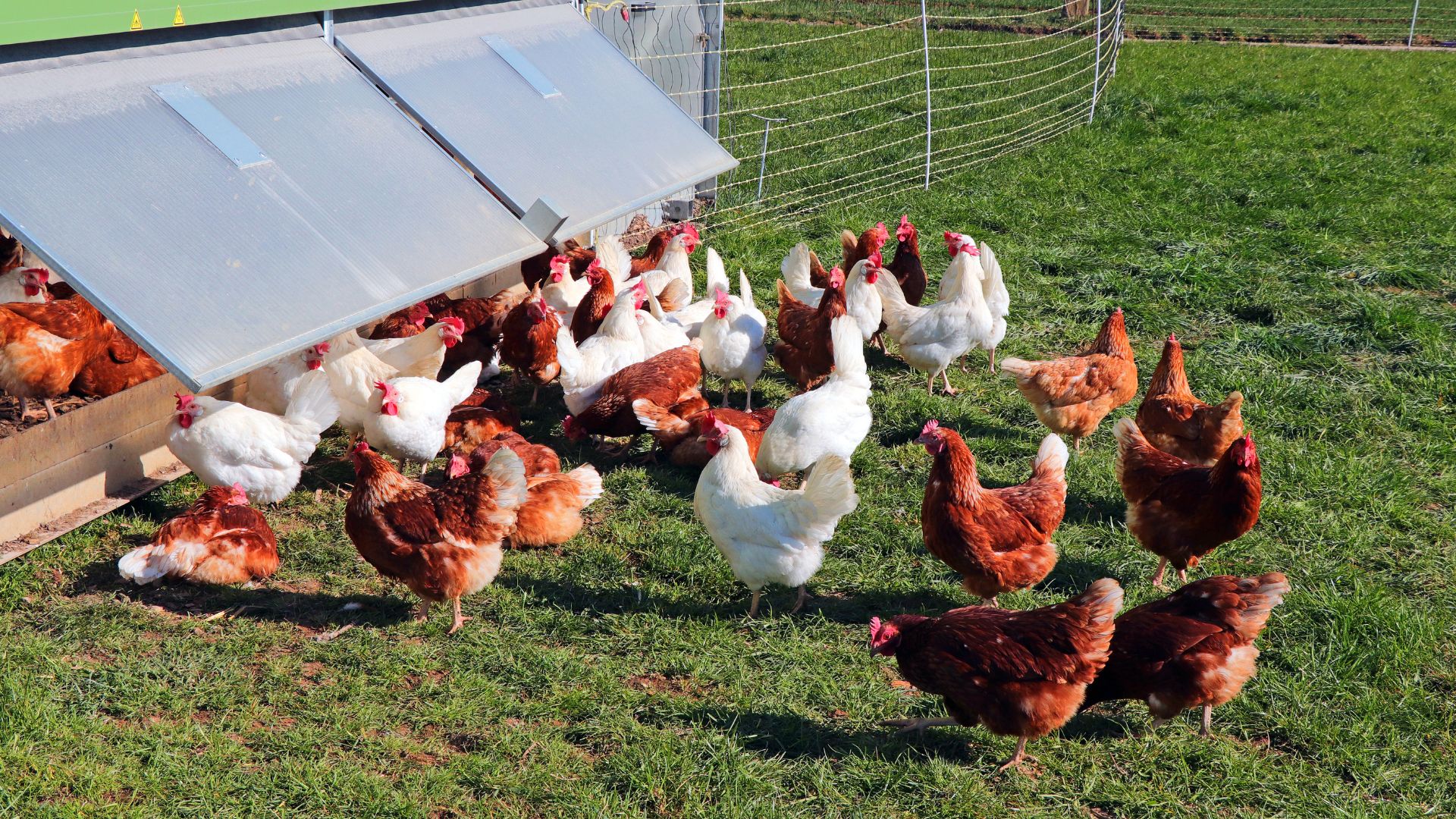
Ukraine’s poultry industry is facing major changes as it gradually moves toward cage-free housing systems for laying hens. The issue has become increasingly important in the context of European integration, as animal welfare standards are now a key requirement for access to EU, UK, and other premium international markets. At the same time, the common belief that cage systems have already been completely banned across Europe is inaccurate, as the European Union has not yet adopted a single regulation prohibiting all forms of cage housing.
According to industry estimates, the transition to alternative housing systems could cost up to €20 per laying hen. For Ukraine, this represents a substantial investment challenge, considering that approximately 20 million hens are currently housed in cage systems. Industry representatives emphasize that without government support and affordable financing, modernization will require a lengthy transition period. Similar reforms in EU countries were implemented over roughly a decade with significant public support programs.
Nevertheless, the European market continues to move toward cage-free egg production. In recent years, eggs produced outside cage systems have surpassed 60% of total EU egg production. Many retailers, food manufacturers, and global brands have voluntarily committed to sourcing cage-free products in response to growing consumer demand for higher animal welfare standards.
For Ukrainian producers, the transition is about far more than ethics. Modernizing production systems may become essential for expanding exports and strengthening competitiveness in international markets. Experts note that a realistic transformation will likely require at least 7–10 years, substantial investment, and phased implementation of new technologies. Balancing economic viability, market requirements, and animal welfare standards will ultimately shape the future of Ukraine’s poultry industry throughout the coming decade.