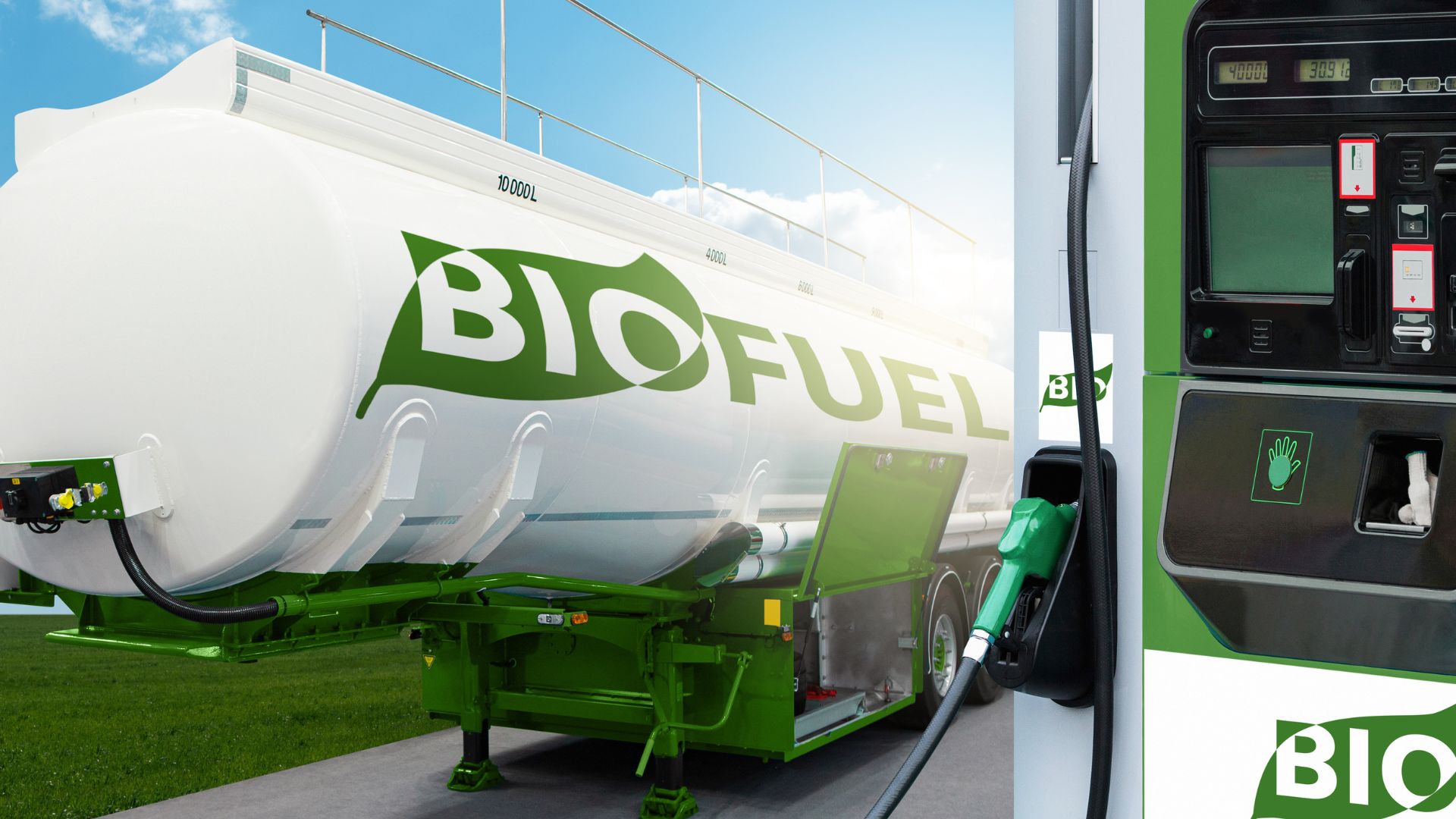
The European Union continues to support the development of the biogas and biomethane market through its decarbonization policy. Strict greenhouse gas reduction targets, the EU Emissions Trading System (ETS), and strong demand for renewable energy create a significant price premium for biomethane compared with conventional natural gas. As a result, biomethane producers can often sell their product in Europe at prices nearly twice as high as those for natural gas.
Ukraine's domestic market remains fundamentally different. Although biomethane production is expanding and exports to the EU have already begun, the country still lacks effective economic mechanisms to encourage domestic consumption of renewable gas. In particular, the absence of a fully functioning carbon pricing system prevents the creation of an environmental premium, making exports to European customers considerably more attractive for producers.
Industry experts emphasize that exports will remain the primary growth driver for Ukraine's biomethane sector in the near term. At the same time, the development of a sustainable domestic market will require decarbonization policies capable of encouraging businesses to replace fossil fuels with renewable gas. Potential instruments include carbon pricing, emissions trading mechanisms, or other financial incentives supporting low-carbon energy.
According to analysts, introducing such mechanisms would not only expand domestic biomethane consumption but also accelerate industrial decarbonization, reduce dependence on fossil gas, and improve the investment attractiveness of Ukraine's bioenergy sector. Until then, the European market—where environmental regulations directly influence energy prices—is expected to remain the primary destination for Ukrainian biomethane exports.