Downy mildew remains one of the most destructive diseases affecting sunflower production. Under favorable conditions for pathogen development, yield losses may range from 30% to 50%, with even higher losses possible in severe outbreaks. The disease develops most actively during cool and wet weather, particularly when soils remain saturated and young plants are highly susceptible to infection.
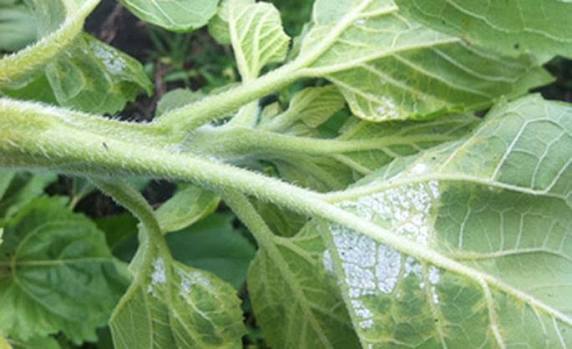
The first symptoms usually appear during the early growth stages. Infected plants become stunted, develop shortened stems, smaller leaves, and a characteristic white coating on the underside of the leaf. As the disease progresses, it may cause malformed heads, poorly developed or non-viable seeds, and substantial reductions in yield. One of the greatest challenges is that the pathogen survives in contaminated soil for many years, making long-term field management essential.
Agronomists emphasize that effective control requires an integrated management strategy. The use of disease-resistant hybrids, proper crop rotation, and high-quality treated seed forms the foundation of prevention. In fields with an elevated disease risk, regular crop monitoring during emergence and the early leaf stages is particularly important. Where infection is detected or weather conditions favor disease development, fungicides effective against oomycetes—especially products containing metalaxyl or cymoxanil—can help suppress disease spread.
Experts note that climate variability is making disease outbreaks increasingly unpredictable. As a result, combining modern genetics, preventive agronomic practices, continuous field monitoring, and timely crop protection measures has become the most effective strategy for protecting sunflower yields. An integrated approach not only minimizes losses but also helps maintain stable productivity under challenging growing conditions.