
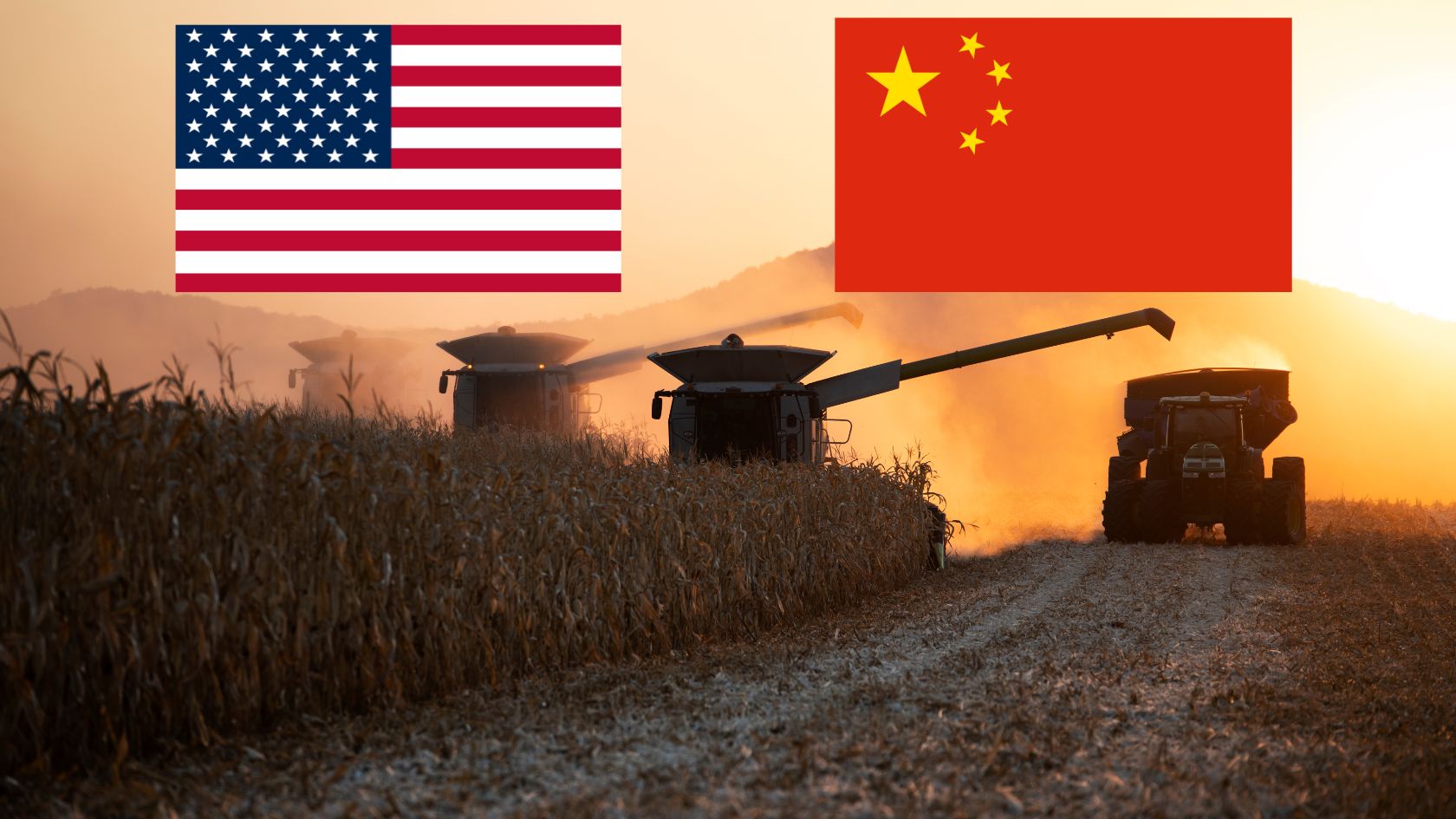
Grain futures in the United States continued to decline after trade negotiations between Washington and Beijing ended without new agreements on agricultural exports. Investors and American farmers had expected increased Chinese purchases of corn, soybeans, and wheat, but the talks produced no concrete results. This intensified pressure on grain markets in Chicago.
The sharpest declines were recorded in soybean, corn, and wheat futures. Analysts attribute the situation to several combined factors, including large global grain stocks, improved harvest forecasts in key exporting countries, and weaker expectations for Chinese demand. Ongoing trade tensions between the world’s two largest economies added further negative pressure to the market.
Experts note that the Chinese market remains critically important for the U.S. agricultural sector, particularly for soybean and corn producers. Any delay in signing trade agreements or slowdown in Chinese import activity immediately affects trader sentiment and global grain prices. As a result, investment funds have become more active in taking profits and reducing positions in agricultural futures markets.
Market participants believe the current situation once again demonstrates the strong dependence of global agricultural pricing on geopolitics and international trade. For Ukraine, fluctuations in U.S. grain futures are also significant because they directly affect export conditions, port purchasing prices, and the competitiveness of Ukrainian grain on international markets.