
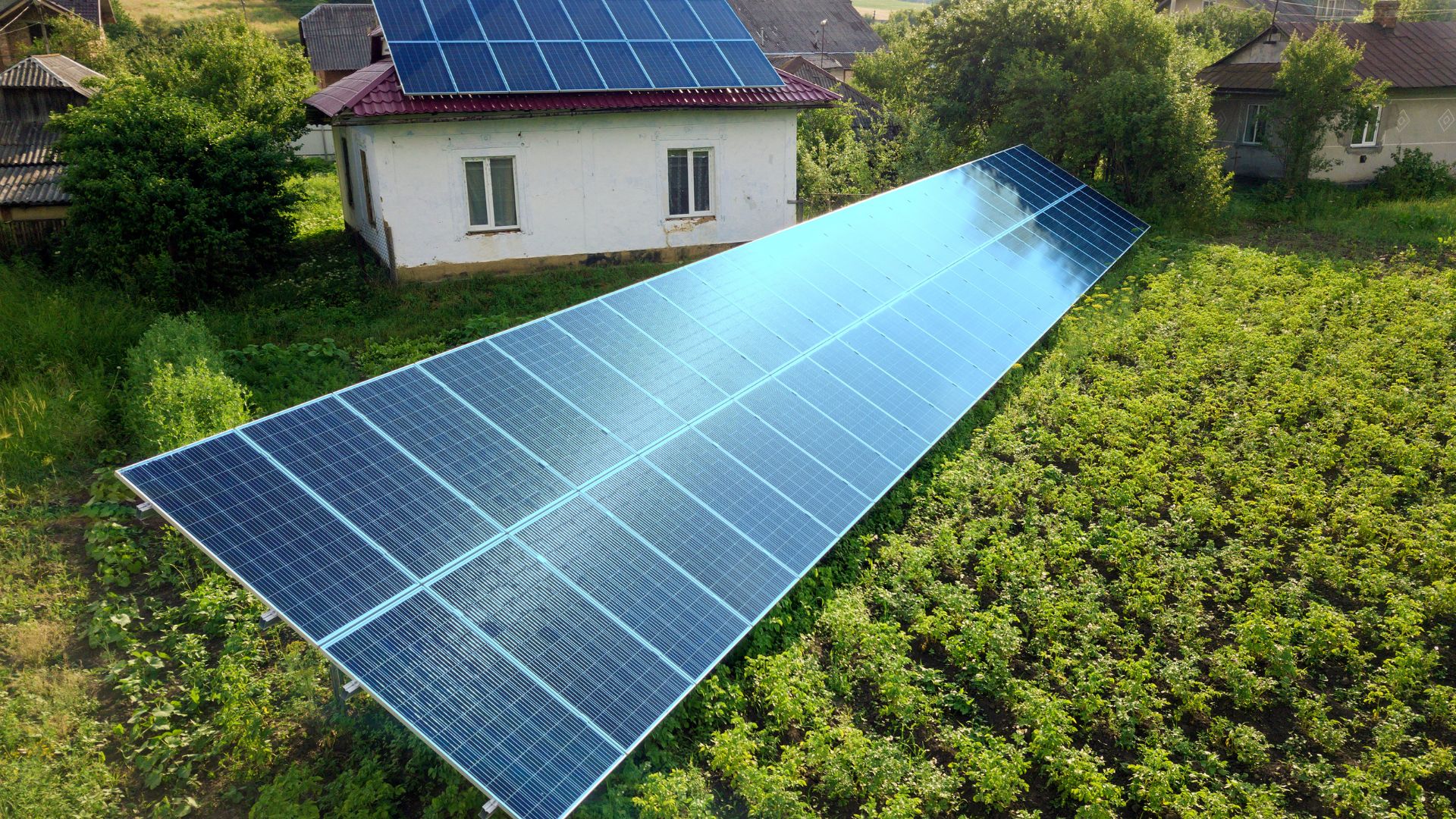
Ukrainian agricultural enterprises are increasingly investing in their own electricity generation systems to maintain stable operations during potential winter power outages. Uninterrupted electricity supply is particularly important for grain elevators, livestock facilities, refrigerated warehouses and processing plants. Even a few hours of downtime can cause significant financial losses, making independent power generation not only a cost-saving measure but also an important business protection tool.
Experts identify a combination of solar power generation, battery energy storage and backup generators as one of the most effective solutions. Battery Energy Storage Systems (BESS) allow businesses to store electricity generated during the day or purchased at lower tariffs and use it during peak demand or power outages. These systems can account for 40–60% of the total energy project budget, while switching to backup power can take as little as 10–20 milliseconds, depending on the equipment configuration.
Seasonal changes must also be considered when designing an energy system. Solar power generation declines significantly in winter due to shorter daylight hours and cloudy weather. Installing additional solar panels therefore does not always guarantee energy independence. System capacity should be calculated based on actual electricity consumption, while backup capacity should cover critical production processes. According to industry experts, implementing an entire project at once can be 15–20% less expensive than developing it in several stages.
The estimated payback period for independent power generation is around five years, although actual results depend on equipment costs, electricity tariffs, consumption patterns and potential losses from downtime. Agricultural businesses can finance such projects through loans or leasing, preserving working capital for planting, fertiliser purchases and other operational needs. The main measure of an effective energy system is not its maximum installed capacity but its ability to maintain stable business operations at an economically justified cost.
Original source: Latifundist.com